NIH PREDOCTORAL TRAINING PROGRAM IN THE BIOLOGY
AND BIOTECHNOLOGY OF CELL AND GENE THERAPY
Cell and gene therapies have emerged as highly promising and potentially transformative
treatment modalities with the potential to benefit patients for years or even decades following
a single administration. This complex field has been rapidly expanding at all levels of research,
from basic elucidation of enabling biological mechanisms, to harnessing this knowledge to develop new
technologies, to industrial translation of those technologies towards therapies. The goal of this Biology
and Biotechnology of Cell and Gene Therapy training program is to provide interdisciplinary training opportunities
in these rapidly evolving fields.
Program participants work at the interface of biology and engineering, preparing them
to be leaders in academia and industry. An industrial internship
experience is a key facet of this program.
David Schaffer, PhD

Program Director
Hubbard Howe Jr. Distinguished Professor in Biochemical Engineering,
Director, California Institute for Quantitative Biosciences (QB3-Berkeley) and Bakar Labs
Dirk Hockemeyer, PhD

Program Co-Director
C.H. and Annie Li Chair in Molecular Biology of Diseases
Professor of Cell Biology, Development and Physiology
Director, Berkeley Stem Cell Center
2026-27 Biology and Biotechnology of Cell and Gene Therapy Fellows
Malia Brooks

Astrocytes play crucial roles in nervous system function, but our understanding of astrocyte-neuron communication remains incomplete. While their passive roles in ion buffering, neurotransmitter handling, metabolic regulation, and microvasculature control are well-known, recent findings have revealed their role in regulating synaptic activity, neuromodulation, and neurogenesis. To study glia interactions more comprehensively, the Clark Lab and collaborators developed SPEAC-seq, a droplet-based platform for CRISPR screens on cell pairs. This tool was used to investigate glial activation pathways in a model of multiple sclerosis, revealing a regulatory mechanism where microglial-derived amphiregulin suppresses astrocyte NF-kB activation. Building on these findings, my research will focus on developing microfluidics-based techniques for high-throughput screening of iPSC-derived neural cultures in semi-permeable hydrogel capsules, aiming to further elucidate the complex interactions between astrocytes and neurons.
Renee Butler

Neurogenesis is the process in which neural stem cells or progenitor cells differentiate and mature into various neuronal cell types. This process is regulated by dynamic changes in chromatin state and gene expression, often correlated with epigenetic modifications such as acetylation. The balance between acetylation and deacetylation is finely tuned, and misregulation is associated with various developmental defects and neurological diseases. Although histone acetylation status is a well-studied epigenetic modification in neurogenesis, there are still many unanswered questions about the mechanisms and impact of non-histone chromatin acetylation. By investigating the role of histone deacetylases (HDACs) in human neurogenesis, I hope to shed light on the regulation of chromatin protein acetylation. Understanding these mechanisms in neurogenesis will further our knowledge of HDAC roles in development and neurodegenerative diseases, potentially paving the way for the next generation of molecular therapeutics.
Beatrice Le

Inherited retinal degeneration affects millions of people worldwide, often leading to blindness due to the severe degeneration of rod and cone photoreceptors. However, other retinal neurons such as AII-amacrine and retinal ganglion cells remain intact, making them potential targets for restoring light sensitivity. My project aims to advance optogenetic therapies by moving optogenetic proteins ‘upstream’ from the retinal ganglion cells to a subclass of amacrine cells involved in both rod- and cone-driven circuits: the AII-amacrine cells. With this strategy, I will evaluate the therapeutic potential of several novel, engineered channelrhodopsin isoforms with greatly enhanced light sensitivity and kinetics. Furthermore, I will develop AAV-based optogenetic gene therapies to target AII-amacrine cells with these isoforms to restore complex retinal computations.
Madeleine Maker

Ulcerative colitis is associated with intestinal inflammation, leading to the breakdown of epithelial barriers. Inflammatory cytokines are important drivers of disease pathology. IFN-g and TNF-a are two cytokines known to synergistically drive the progression of ulcerative colitis. The aim of this project is to dissect the interplay between IFN-g and TNF-a signaling in organoid models of colon epithelium. Organoids are a high-fidelity in vitro model of intestinal epithelium, specifically allowing for the ex vivo culture of intestinal stem cell compartments. Thus, enabling me to parse the contributions of each cytokine in a way that would not be possible with traditional 2D cell lines. Broadly speaking, this work aims to identify novel therapeutic strategies to blunt TNF-a and IFN-g driven disease pathology in the context of ulcerative colitis.
Sarah Palm

One ongoing challenge in gene therapy is achieving safe and effective transgene addition to the human genome. Precise RNA-mediated Insertion of Transgenes (PRINT) is a recently developed genome-engineering method with potential to fill this niche by exploiting a non-LTR retrotransposon for human genome supplementation. This strategy leverages R2 retrotransposon proteins for site-specific transgene delivery to a safe-harbor locus in human cells dependent solely on the delivery of in vitro-transcribed RNA. While PRINT shows early promise, mechanisms of R2 gene insertion and expression remain poorly understood. For example, relatively little is known about the RNA processing and translation initiation events vital to the life cycle of an active R2 retrotransposon. My project will focus on investigating processes evolved in R2 retrotransposons and applying my findings to the improvement of PRINT, with the goal of expanding the utility of introduced transgene expression as a therapeutic rescue for loss-of-function disease.
Iyla Rossi

Non-mammalian and non-model organisms, like coral, remain poorly understood due to a lack of tools for studying their stem cells and biology. For example, coral stem cells are hypothesized but unidentified, and long-term culture systems are unavailable. My project aims to develop a microfluidic tool for high-throughput analysis of these organisms, enabling cell sorting, stem cell identification, and the creation of long-term culture systems. Additionally, this project aims to investigate coral stem cells, culture conditions, and gene-edited coral for environmental tolerance with the application of this new tool. By leveraging microfluidic and genetic tools, this project seeks to advance the understanding of stem cell biology in non-mammalian and non-model systems that are critical to humanity. In this way, we will open new avenues for both marine and human regenerative medicine.
Paripoorna Sharma

Retinitis pigmentosa (RP) is the most prevalent inherited retinal degeneration (IRD) and represents a leading genetic cause of blindness worldwide. RP, like other IRDs, arises from pathogenic mutations in genes needed for proper retinal development, structure, or function. Recently, two novel mutations (c.-69G>T and c.-69G>A) in the non-coding regulatory regions of TMEM216, a gene essential for proper systemic ciliogenesis, were found to cause a form of recessive RP (RP98) in patients. I will test the feasibility of using AAV-mediated gene therapy to treat RP98 caused by these non-coding mutations, as no current gene therapies exist to treat IRDs caused by non-coding mutations. Our results will directly mold treatment strategies for non-coding mutations causing non-syndromic RP98 and create a valuable paradigm for addressing other IRDs due to non-coding genetic variants
Kyrlia Young

Stem cell populations rely on specialized communication with their microenvironment niche to orchestrate tissue repair, which is controlled by just a few highly conserved developmental signaling pathways like Wnt—a master regulator of stem cell activity. Aberrant Wnt signaling can contribute to diseases like cancer and pulmonary fibrosis, making Wnt an attractive therapeutic target. However, attempts at broad Wnt activation have been challenged by toxicity associated with its essential function in maintaining tissue homeostasis. Wnt can promote regeneration when acting on epithelial cells but may drive scarring and organ dysfunction in fibroblasts, highlighting the need to understand endogenous mechanisms of cell-specific Wnt signaling. My project aims to understand how Wnt signaling differentially regulates stem and niche cells in lung alveoli, where Wnt modulates both fibrosis and wound healing. By leveraging stem cell-niche communication, my work will inform future precision medicine to simultaneously promote tissue regeneration while inhibiting fibrosis.
Biology and Biotechnology of Cell and Gene Therapy Training Program Alumni
Jesse Dunnack

Stephanie Eberly

Hannah Karp

Nicholas Perry

Nancy
Hernandez Villegas

Shayan
Hosseinzadeh

Alexander
Ehrenberg

Matthew
Rosenwasser

Lordean Gustinvil

Joey McKenna

Sydney Oraskovich
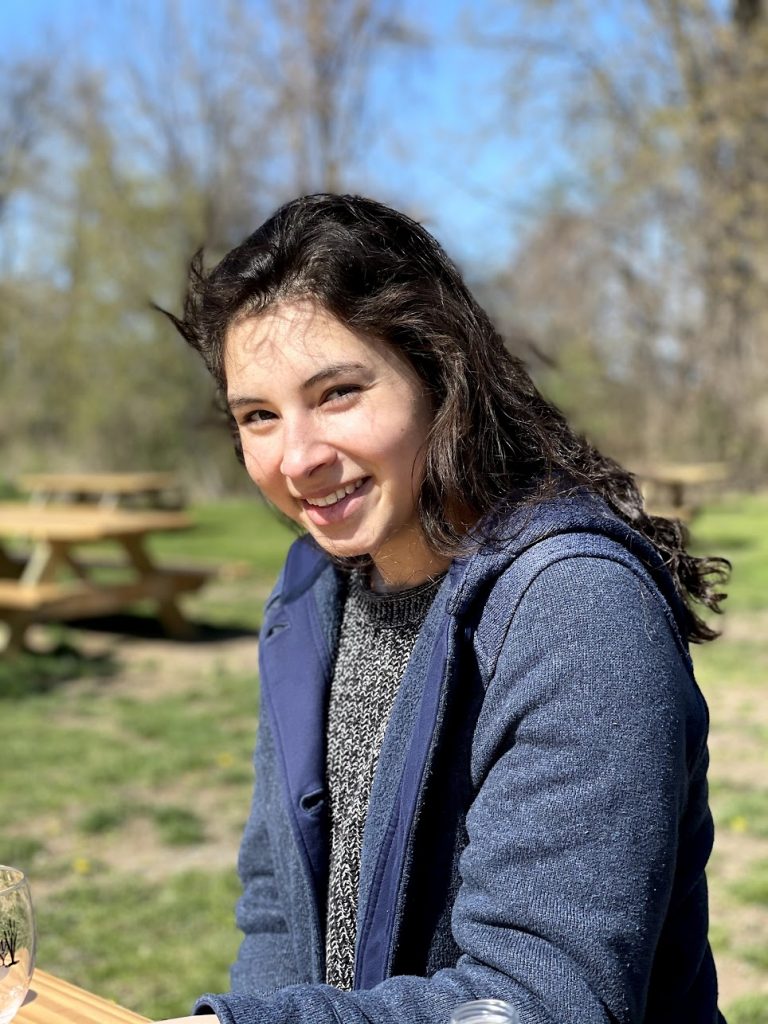
Jessica Ortiz

Anna Weldy

Etchi Ako

Yvonne Rong

Alan Nisanov
